
Achieving Zero Defects in Your Data Factory
Last month we suggested that companies can stop wasting resources with a lean data factory. Potential savings on time spent collecting and validating data average around 20 percent across our industry. While beneficial, reducing costs will only move you halfway to the goal line. Quality improvement will take you the rest of the way. In lean production terms think zero defects. It delivers reliable data, accurate information, and less risk, every time.
Lean production in automobiles brought major advancements in all aspects of manufacturing. The customer was a major winner from lean concepts, as evidenced by more car choices, faster delivery and fewer quality problems. We can learn a lot from the automotive industry’s move from mass to lean production.
The goal to improve automotive quality on the factory floor did not come easy. It was met with resistance across many departments. The ultimate breakthrough in quality is attributed, in part, to a group of Japanese engineers who visited Ford’s Rouge plant in Detroit in the 1950s. At the time, management was graded on two criteria: yield (cars produced) and quality (defect rates). The primary focus was on production, resulting in a reluctance to halt assembly. Manufacturing defects were not found until final inspection. As you can guess, the cost for repairs at this late stage skyrocketed, especially when multiplied by thousands of cars coming off the line each day.
Enter Taiichi Ohno, a production specialist with the Japanese team. He saw right away that the entire system was rife with Muda, the Japanese term for wasted effort, time and materials. He proposed a radical change that would empower every line worker to stop the line when a quality problem was detected. He installed a pull cord, similar to an emergency brake, at each workstation so any defects could be addressed immediately. Chaos first ensued, but order was quickly returned and the goal of zero defects was widely accepted. Pull cords are still in use in many lean factories. Further background can be found in The Machine That Changed the World by Womack, Jones and Roos.
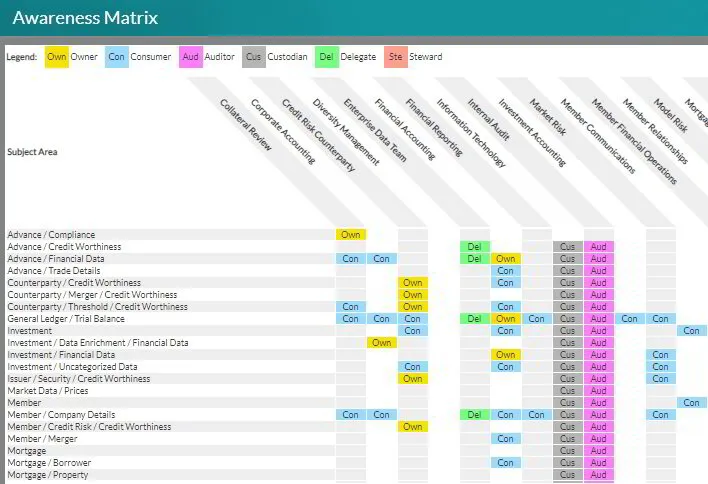
We often find muda in the form of inconsistent data sources which in turn produce inaccurate data streams. You can’t ensure data integrity if you haven’t identified all the individual owners, correct sources, and users of all the data. We call it awareness, or in this case a lack thereof. Many companies are still relying on manual reconciliation. This is not a permanent solution since spreadsheet corrections are typically not shared with the other stakeholders. All these factors lead to temporary fixes by multiple departments that in the end will fail.
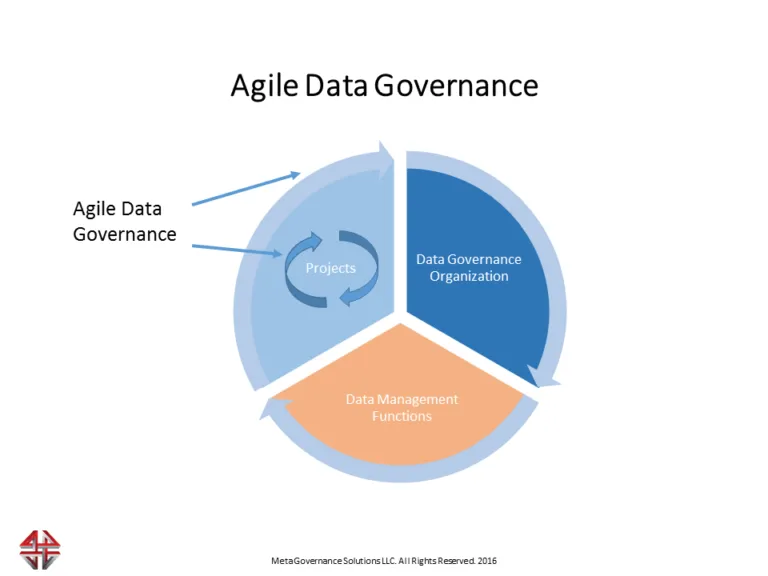
Our Lean GovernanceTM methodology was designed to help Data Governance and Data Risk managers make the move to lean data production. Let’s look at an example in your own data factory, where statements of cash flow and other key reports are compiled. Raw materials in this case would be your data. These get assembled into components (derived metrics and financials). Before the finished product (corporate report) comes off the line it must pass quality control (reconciliation).
Lean GovernanceTM is a path to zero defects for your data factory. Our goal is to help you design a continuous process that ensures data integrity, reduces the risk associated with bad data and frees up valuable resources.